Get Healthy!
- Posted July 21, 2026
More Than Half Of US Adults Should Be Offered Statins, Study Says
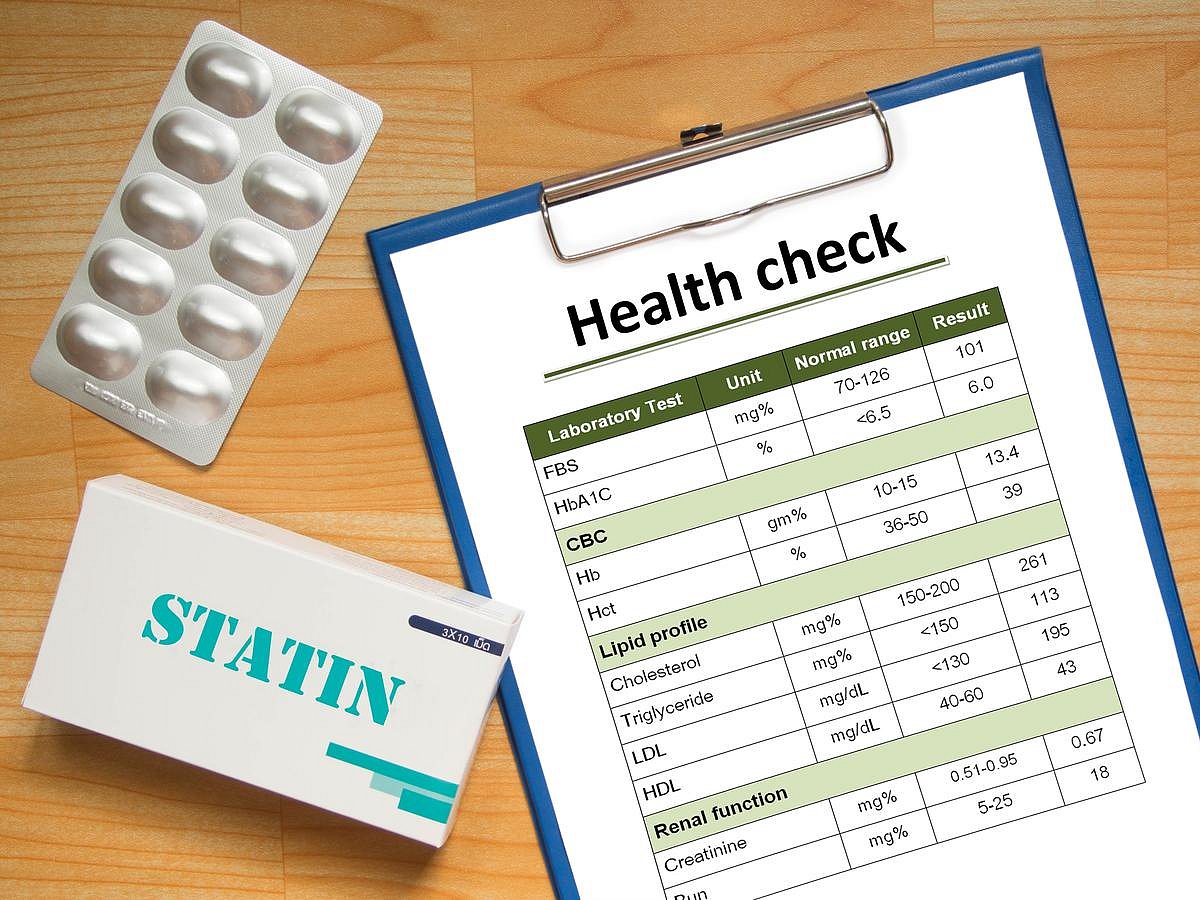
More than half of U.S. adults should be taking cholesterol-lowering statin drugs under updated guidelines, a new study says.
Earlier this year, the American Heart Association and the American College of Cardiology recommended lifelong screening and treatment to prevent heart attacks, strokes and heart disease caused by high cholesterol.
Under those guidelines, nearly 57% of Americans aged 30 to 79 are eligible to take statins, about 87.5 million people, researchers reported July 20 in the Journal of the American Medical Association.
That includes 21.5 million who are newly eligible under the updated guidelines, researchers said.
“The shift to a longer view of cardiovascular disease risk is a sea change for doctors in counseling patients,” lead researcher Dr. Timothy Anderson said in a news release. He is a primary care physician, health quality researcher and assistant professor of medicine at the University of Pittsburgh School of Medicine.
Issued in March, the new recommendations adopted an updated heart risk calculator, expanded statin eligibility to as young as age 30, and extended the risk horizon considered by doctors from 10 to 30 years, researchers said.
“Before the new guidelines, people who were flagged with high cholesterol in their 30s and 40s tended to be recommended to focus on diet and exercise and were not recommended medication — unless the patient already had heart disease or other factors that made them particularly high-risk, like diabetes,” Anderson said.
To see how the guidelines might affect statin prescribing, researchers analyzed data from 4,366 participants in a federal health and nutrition survey gathered from 2017 to 2023.
Results showed that age remains a powerful factor in heart health.
Only about 1 in 10 people in their 30s (11%) are recommended statins under the new guidelines, rising to 85% of people in their 60s and 94% of those in their 70s, the study showed.
The people newly eligible for statins under the updated recommendations tend to have low short-term risk but higher long-term risk, researchers said. They have a less than 3% chance of heart attack or stroke within 10 years, but more than 10% within 30 years.
Many of these younger patients can be expected to question their doctors’ decision to prescribe a drug that will prevent something decades down the line, Anderson said.
“Many of my younger patients wonder why they can’t put off starting treatment — which is understandable, given they might have low risk of a cardiovascular event 10 years out — and some likely can with a strong focus on healthy diet, exercise and weight,” Anderson said. “But for patients seeking to fully minimize risks of heart attacks and strokes, early statin therapy may be a good choice.”
More research is needed to directly support the new view that heart health risk builds gradually over the years, starting early in life, Anderson said.
“Ultimately, in this gray zone, patients should talk to doctors,” Anderson said. “This is a preference-based decision that should take into account the potential for modest cardiovascular risk reduction alongside the potential for adverse drug events, costs and patient preferences.”
These discussions can and should include alternatives to statins, Anderson noted.
“It's certainly very reasonable that many people will talk about this with their doctor and say, ‘OK, what can I do that does not involve medication?’ ” Anderson said. “Physicians have long recommended lifestyle changes like healthy diet, exercise and smoking cessation to all their patients, regardless of whether they have high cholesterol — and will continue to do so.”
More information
The American Heart Association has more about the updated cholesterol treatment guidelines.
SOURCES: University of Pittsburgh, news release, July 20, 2026; Journal of the American Medical Association, July 20, 2026


